Last month the province commemorated the grim tenth anniversary of the opioid overdose crisis, which killed over 18,000 people and keeps killing at the rate of about five a day. Ten years on, all political will to tackle the crisis has gone, and we’re back to square one: naloxone and prayer.
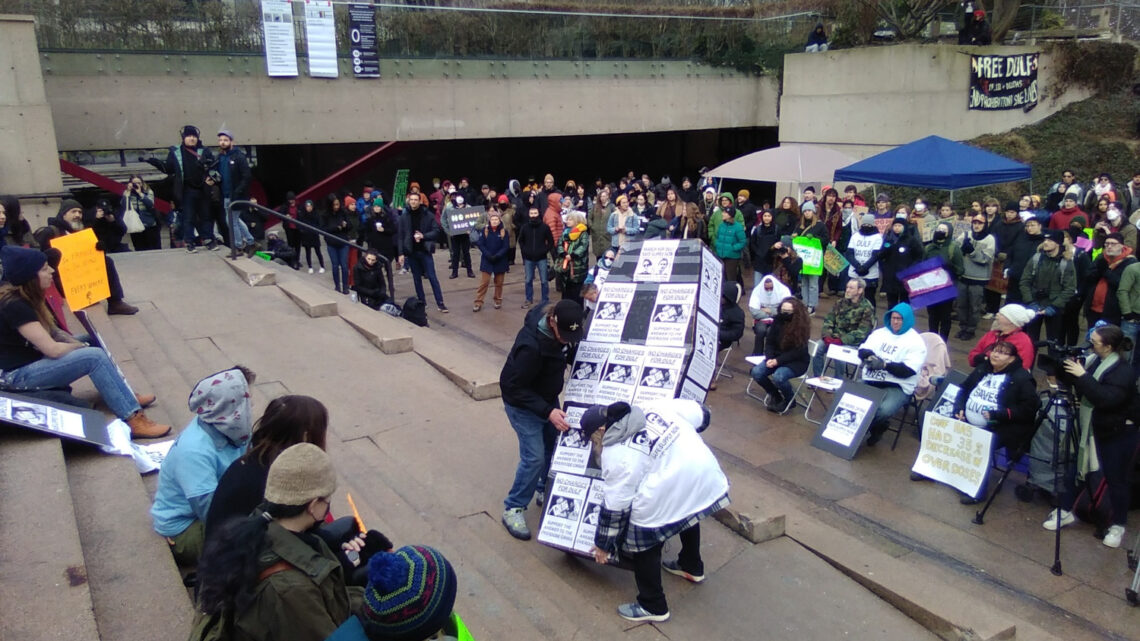
Of course drug user advocates were most acerbic in their criticism of our government. The BC Coalition of Organizations By/For Peopple Who Use Drugs in particular openly stated: “After 10 years it’s clear: harm reduction works; the system has failed!”
I beg to differ in one respect: it isn’t the system which has failed; it is us. Yes, I mean you and me.
Let’s take a good look in the mirror for a moment. We’re blaming it on the political system while in fact we’ve stayed clear of it. It’s normal; we’re activists, so we hate politics as much as we hate authority. It’s so much easier and more rewarding to just break the rules and dare the system to stop us. But we can only get so far this way alone. As long as we refuse to participate in politics, we’re in no position to complain that the system has no political will to address the crisis, because we ourselves have no political will to begin with.
So these days I meet advocates who all wonder the same thing: What do we do now? And I have my answer ready: We need to run for office ourselves.
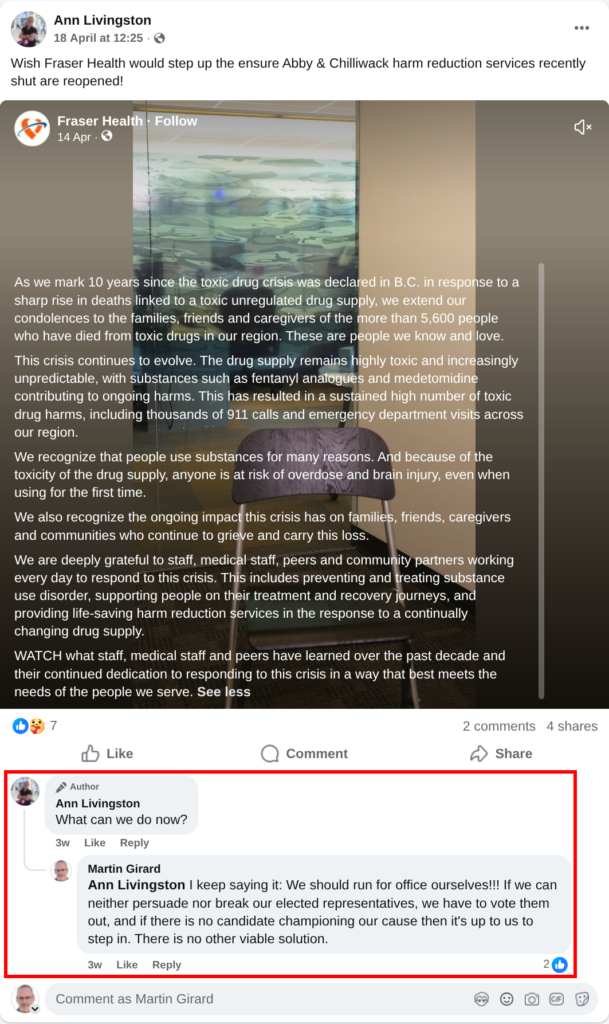
Of course you may object that in order to make a difference we need to run at least at the provincial level. Once again I beg to differ. I’m running on drug decriminalization here in Victoria in the upcoming municipal elections in October, and my plan is very simple: nullify ss. 4 and 5 of the Controlled Drugs and Substances Act by taking over the municipal police board. The Police Act grants the municipal council the power to fill two seats on the board, one by a council member (who is usually but not systematically the mayor) and one by someone not on the council; the remainder are designated by the Lieutenant Governor in consultation with the board director. This means a majority on the municipal council can indirectly dictate the police department’s priorities, including of course ignoring simple possession and leaving brick and mortar establishments alone.
Furthermore, with majorities on municipal councils across the province, we would be in position to pressure higher levels of government via the Union of BC Municipalities. And if they don’t take us seriously? Then we scale up our approach and run for office at provincial or federal elections, after gaining experience campaigning at the municipal level.
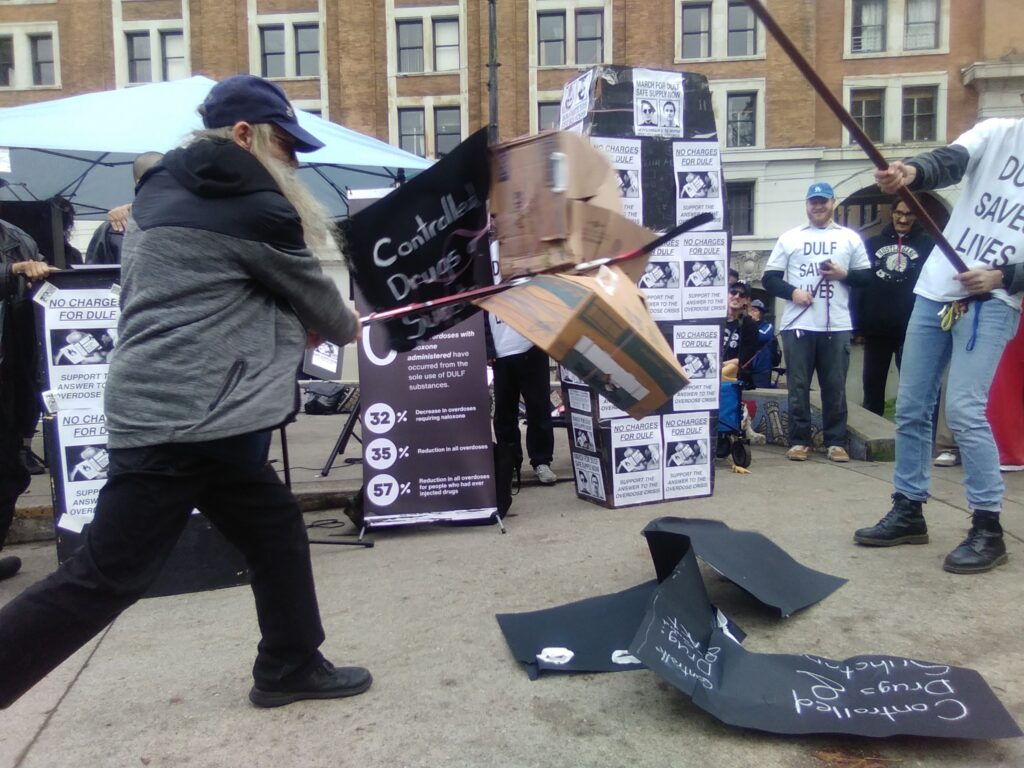
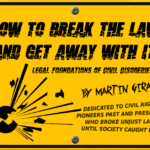
Perhaps now you see the link between my book, titled How to break the law and get away with it: Legal foundations of civil disobedience, and my political platform. My strategy is to bring civil disobedience to the next level by forming a political wing which enables activists on the ground, as opposed to merely defying the government without political backing. This has been our worst shortcoming so far, one which is post-urgent to address.
18,000 dead victims of BC’s forever drug overdose crisis implore us from beyond the grave to make sure their deaths weren’t vain. Will you be up to the task, or instead be found wanting?