
Direct download: PDF | EPUB | Kindle
Print copies available at: Barnes & Noble | Walmart | Amazon
Read online in your web browser
Protest is like begging the powers that be to dig a well. Direct action is digging the well and daring them to stop you.
Ann Livingston
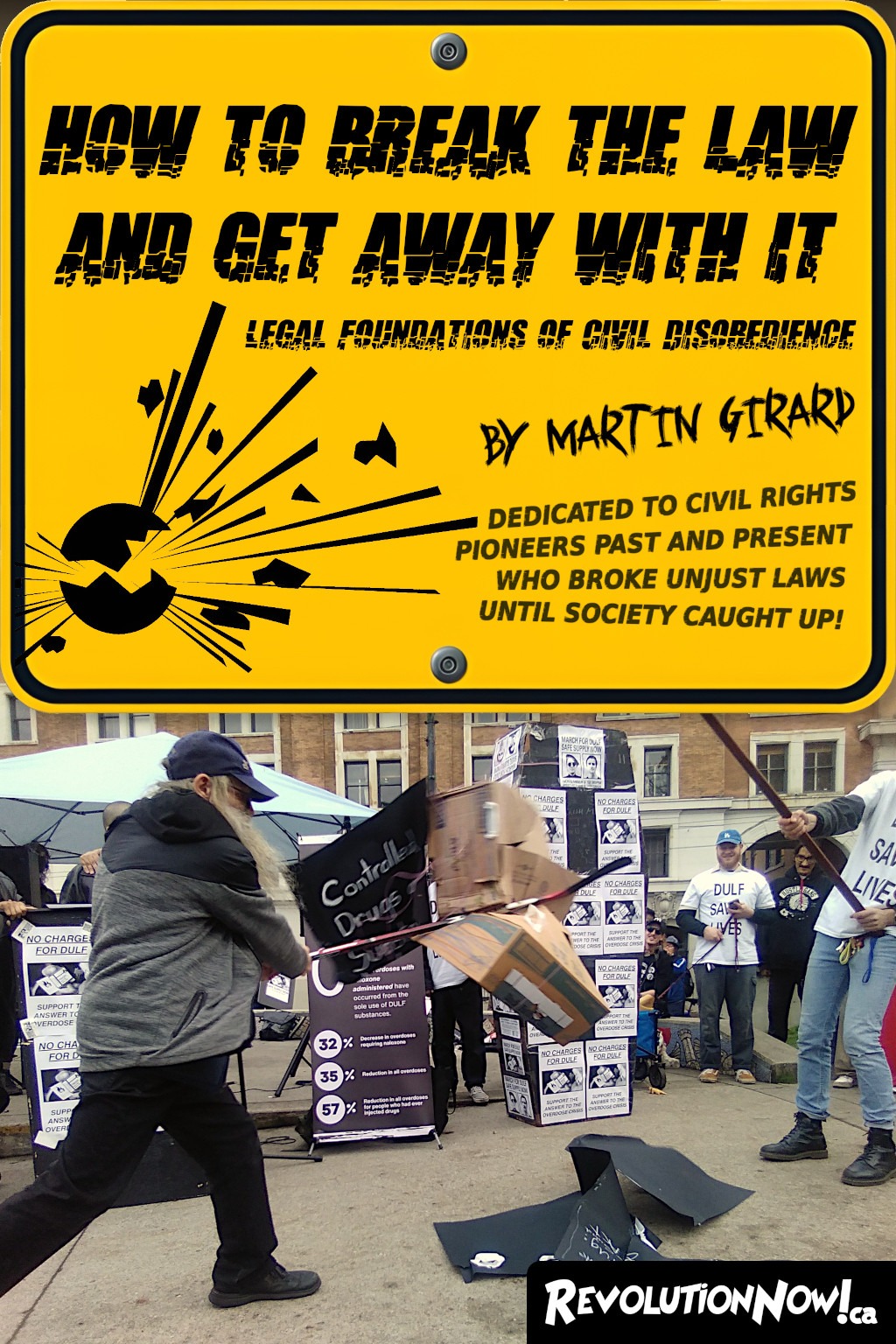
Here comes a book reconciling two seemingly antithetical concepts: activism and the law.
Written by a citizen journalist and legal advocate in a private capacity who for years has fought unjust laws for various causes, this work discusses how many decorated civil rights activists, including Nobel Peace Prize laureates, have challenged the law on the ground until the law changed. Its basic premises are that progressive laws are dictated by the people before they are enacted by the legislative branch of government, that they are enforced by the people against the executive branch of government, and that offences are prosecuted by the people on behalf of the judicial branch of government.
This book explains how to:
- Appeal to the court of public opinion with a sound legal and political platform
- Win over judges and juries in court proceedings
- Navigate and exploit the legal system in order to keep the government accountable—or at bay
- Become a legal advocate and help disenfranchised clients access the quasi-judicial system
- Assume the role of citizen journalist and document civil rights abuses
- File Freedom of Information (FOI) requests, and compel the government to reveal its hand
- Reach out to the mainstream media and broadcast your message to the masses
- Secure the backing of lawmakers without being ensnared in partisanship
- Engage in legal observation of law enforcement officers, as safely as possible
- Interact with the police (if you must)
Above all, it teaches how to minimize one’s exposure in order to become virtually untouchable. For example, recovering heroin user John Turvey was decorated with both the Order of Canada and the Order of British Columbia for his advocacy, which included creating in 1988 North America’s first unsanctioned needle exchange program while on a mission to curb the transmission of HIV among people who use drugs in Vancouver’s Downtown Eastside. Likewise, Judith Heumann led the 1977 San Francisco sit-in protest which compelled the Secretary of Health, Education, and Welfare to sign Section 504 of the Rehabilitation Act into law, thus guaranteeing disabled people access to federal government services. And in the 1990s, Helen Steel and David Morris fought McDonald’s abusive libel lawsuit all the way to the European Court of Human Rights, until the British government amended its notoriously harsh defamation legislation.
So hop on, and find out how civil rights activists have fought for accessibility of publicly funded research, reporters’ privilege to protect confidential sources, enforcement of international law on genocidal regimes, protection of old growth forests, the right to shelter and housing, access to harm reduction supplies, and accountability for police brutality, among many such causes. By the end of this book, never again will you take your rights for granted, knowing both how these victories were earned and how precarious these are in the age of Trump and Putin. Generations past observe us from beyond the grave, urging us to defend the rights they fought for so we would enjoy them today. Will you be up to the task, or instead be found wanting?

Direct download: PDF | EPUB | Kindle
Print copies available at: Barnes & Noble | Walmart | Amazon
Read online in your web browser
Cover picture was captured at a rally for the Drug User Liberation (DULF) at Victory Square in Vancouver, British Columbia, on November 3 2023. Subject is David Hann, of the Vancouver Area Network of Drug Users (VANDU), shown literally breaking the law by smashing a piñata of the Controlled Drugs and Substances Act with a hockey stick—whose tip repeatedly flew within a couple inches of my face!
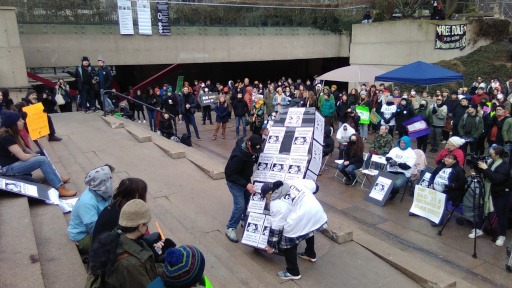

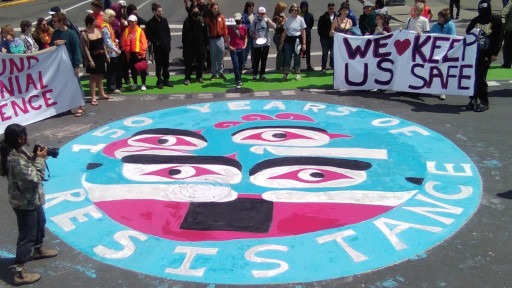
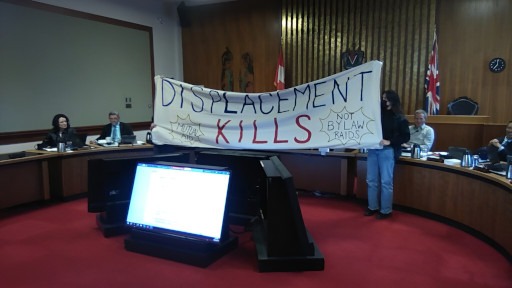

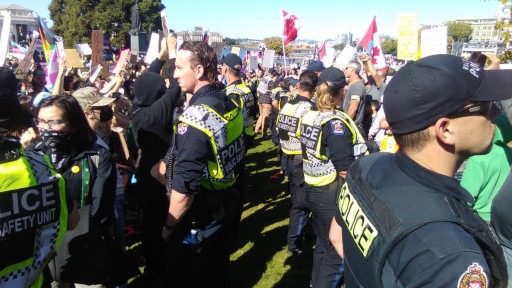
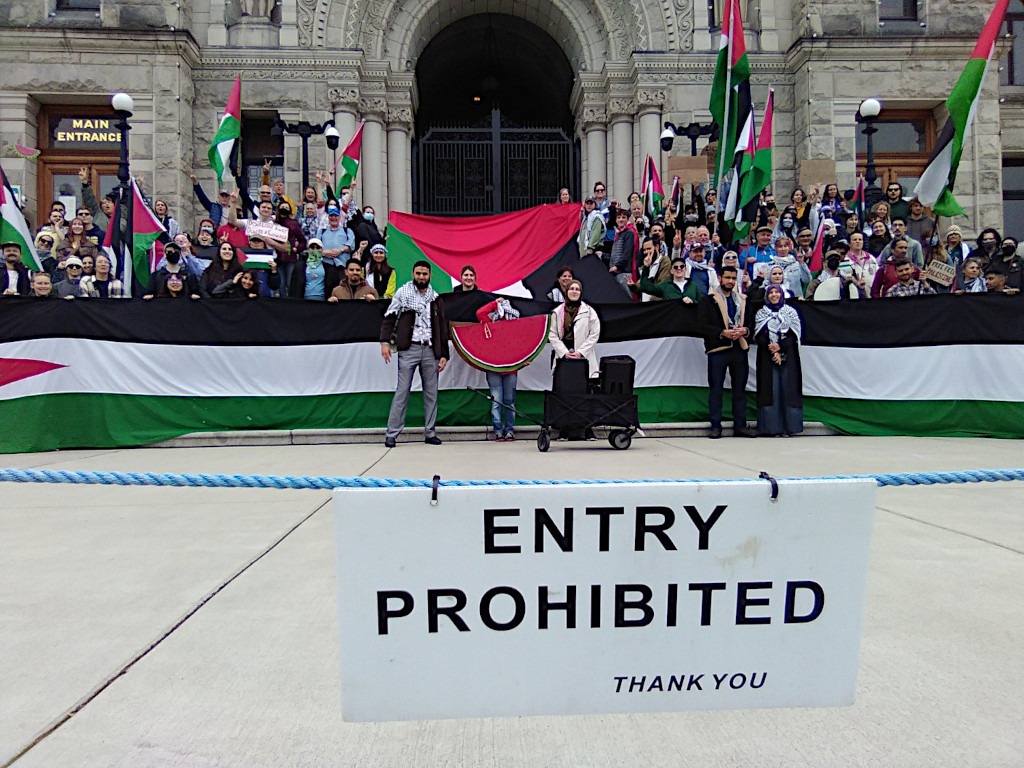

Martin Girard lives in Victoria, British Columbia. He became a full-time activist and citizen journalist while homeless, documenting and organizing protests. Then he assumed the role of legal advocate in a private capacity, lacking any relevant education, training, or experience, and faked it till he made it. Nowadays he wears the hat of politician and intends to fake it so well that the electorate will vote him into public office. Place your bets! Contact: martin.girard@revolutionnow.ca.
