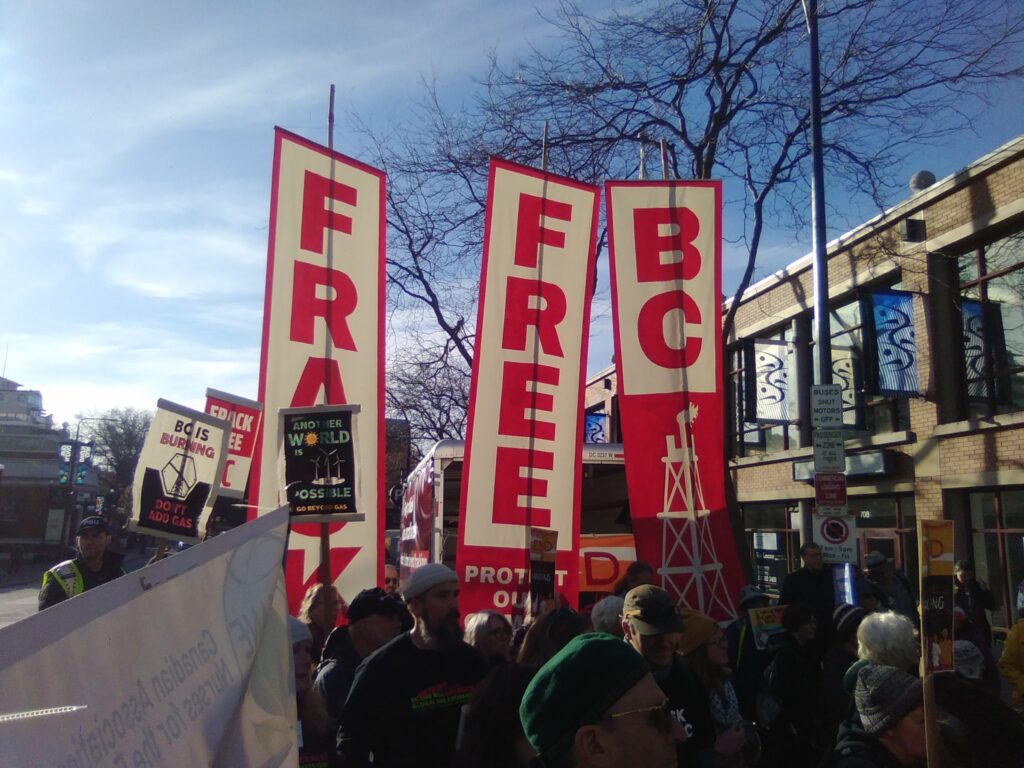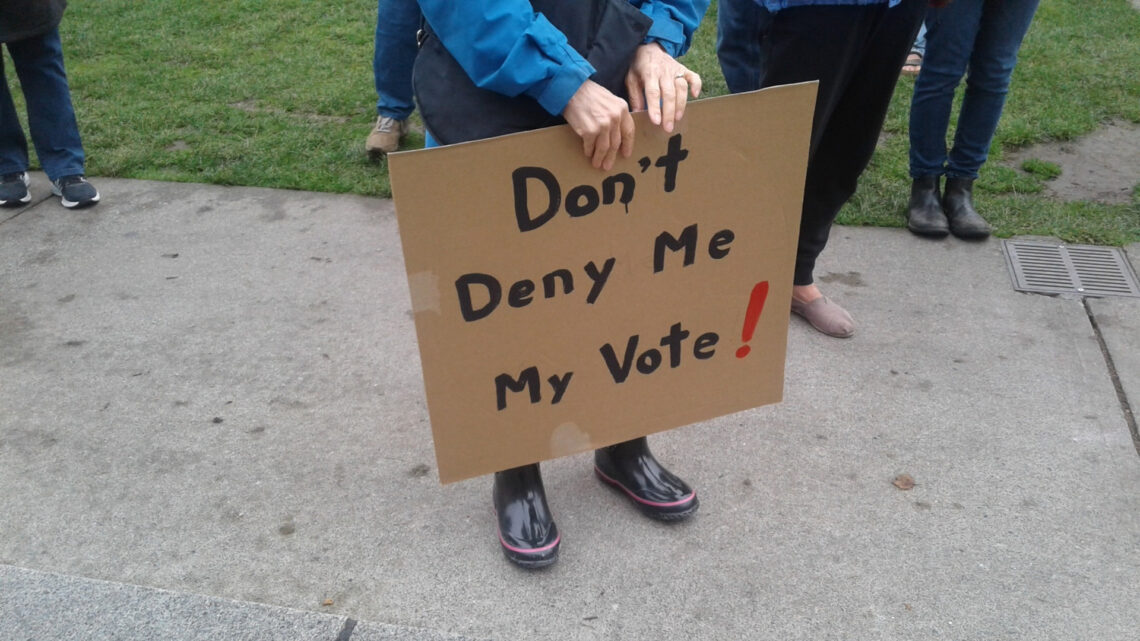
Ever wondered why democracy systematically devolves into a false choice between establishment candidates whose platforms are divorced from the majority’s concerns? Public disengagement from politics, leading to critically low voter turnout, is a key factor.
Indeed, voter turnout is a barometer of a democracy’s health. When the latter is doing well, the electorate’s level of engagement is high. When public confidence is eroding instead, eligible voters stay home.
This is so important that in some jurisdictions, an election or referendum can be invalidated if the number of votes falls short of a given threshold. For example, Article 81 of the Constitution of the Republic of Macedonia requires at least half of registered voters to cast a vote in order for presidential election results to be valid. This is to prevent elected representatives to claim a public mandate while actually supported by only a tiny portion of the electorate.
So how well is Canadian democracy doing? At the federal level, it remains somewhat healthy; while historically slipping, voter turnout has reached 69% in the April 2025 election. That being said, Elections Canada measures turnout among registered voters, not eligible ones; in this latter regard, Canada actually ranks low among democracies. At the provincial level here in BC, turnout has been slipping in recent decades, from 71.5% in 1996 to 58.45 in 2024, even dipping as low as 53.86% in 2020, which is concerning.
At the municipal level? CivicInfoBC measures turnout based on estimated eligible voter counts instead, and the results are horrible. Here in Victoria, voter turnout was just 36.81% in 2022; in Vancouver, it was 37.28%. Figures were similarly low across the province. This led Vancouver city councillor Sean Orr to lament that “386,931 eligible voters didn’t vote for Ken Sim” even though the latter won with a total of 85,732 votes.
So why do voters stay home? Allow me to answer this question from my own standpoint. I myself have never cast a vote in any elections. I’ve never even bothered to register to vote. My reason comes down to one word: authenticity—or lack thereof. Virtually no candidate I have ever met gave me the impression that their platform was genuine; instead they looked like they were trying to appease everyone by avoiding firm stances on controversial issues—unless they were reaching out to their base, before which their discourse changed accordingly. Even progressive candidates give an ambivalent vibe, ever wary of alienating a sizeable portion of the electorate, even on issues that an overwhelming majority supports, which strikes me as cowardice.
The conundrum of course comes down to low voter turnout; candidates appeal to registered voters as opposed to mere eligible ones. Their calculation is that reaching out to two thirds of people that don’t vote is a waste of effort, even though this is precisely why those two thirds don’t vote. And this has to change.
The remainder of this article discusses issues that resonate with eligible but disengaged voters, and why tapping into that demographic has the potential to upset the entire election dynamic across the country, especially at the municipal level. Pay attention, because I’m about to explain how to send the likes of Ken Sim packing in October.
Palestine
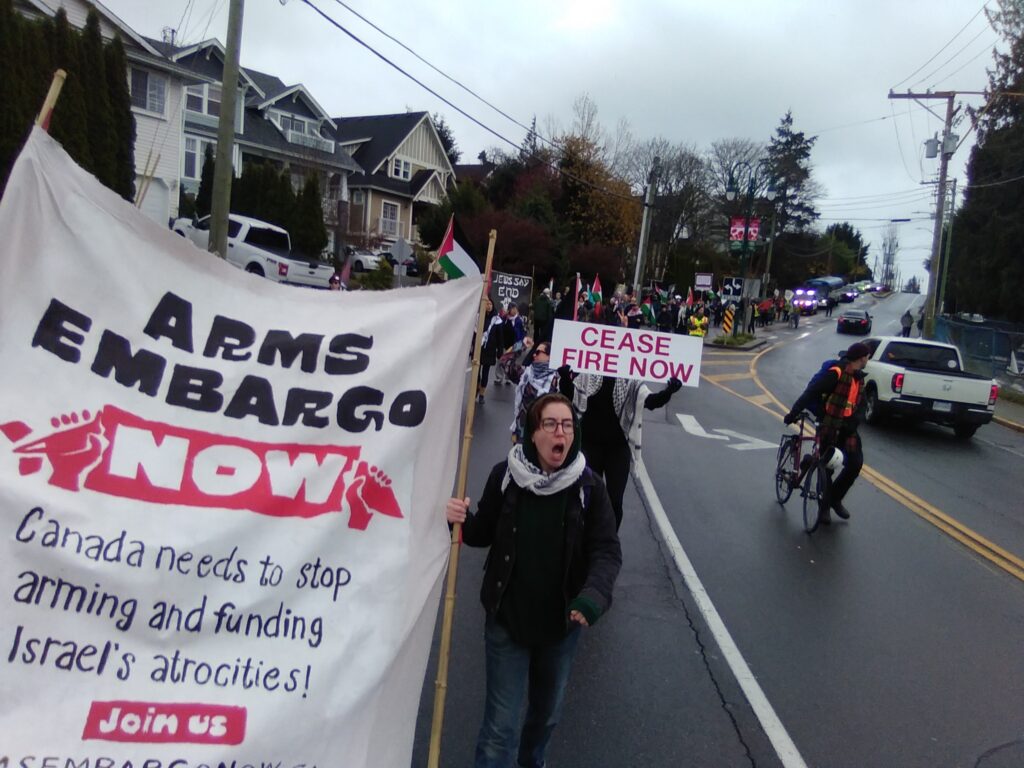
Hardly any cause has resonated as strongly with the Canadian public as Israel’s campaign of genocide in Gaza, for which the regime has been referred both to the International Court of Justice and the International Criminal Court. Indeed, an August 2025 poll by Angus Reid and another in October 2025 by Nanos Research show two thirds of Canadians condemning the atrocities and supporting the recognition of a Palestinian state. Furthermore, weekly protests are still being held in cities across the country one hundred and twenty-six weeks on, and show no sign of abating.
Considering these facts and numbers, one might naïvely expect Canadian politicians to flock toward Palestine’s supporters; instead all but a rare few have avoided the issue like the plague. For example, Victoria MP Will Greaves closed his office and stayed clear of a recent protest held by Arms Embargo Now, reaching out to secure his support of Bill C-233 intended to close a loophole in arms export controls through which Canadian ordnance are diverted to Israel.
Politicians’ cowardice has proven particularly disheartening at the provincial level here in BC. In November 2023, the BC NDP passed a resolution calling for a ceasefire in Gaza, which two years on remains unimplemented by the provincial government, even though the party has held a majority at the Legislature all this time.
The main factor behind this obstinacy is the powerful pro-Israel lobby’s iron grip on politicians. One organization among them is the Centre for Israel and Jewish Affairs, which until 2023 has courted a staggering 25% of MPs with paid trips to Israel.
Naturally, politicians are swayed by money more than votes, unless their polling among voters reaches critically low levels. And since scarcely any politician comes out in support of the Palestinian cause, they have no reason to feel threatened. The only way out of this quandary is for advocates and activists to run for office, thereby providing an avenue for the majority to oust them.
On a side note, I officially launched my own campaign for Victoria’s municipal council at a Palestine rally, after attending most iterations since October 2023. Guess where I stand on the issue.
DRIPA
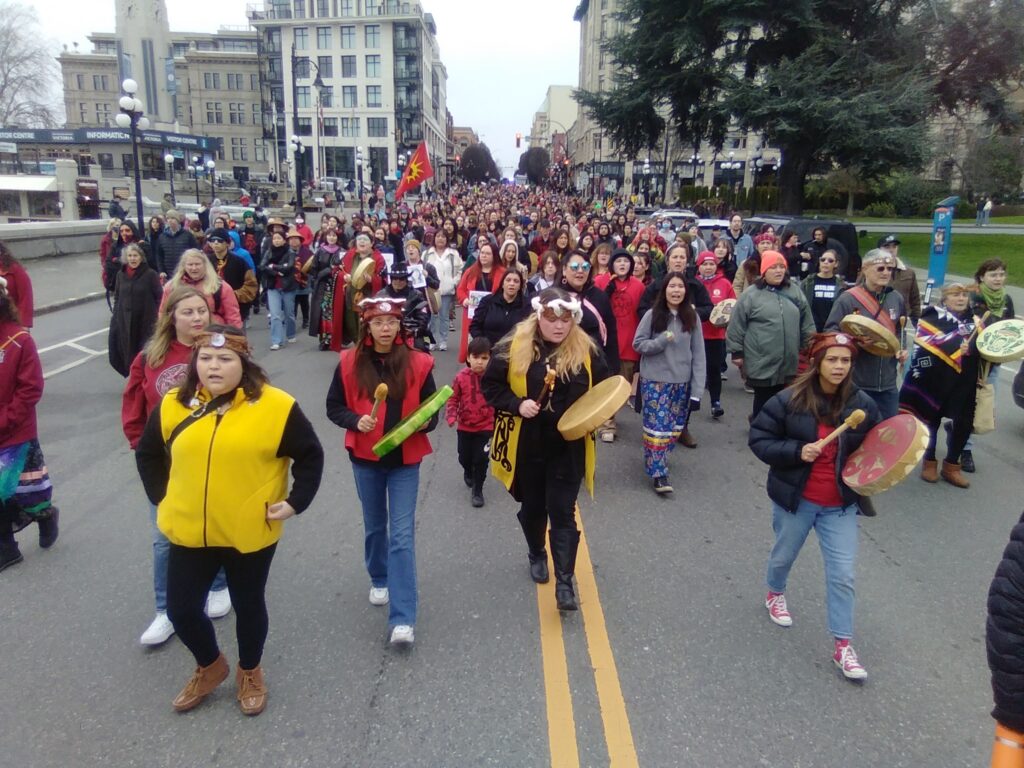
The Declaration on the Rights of Indigenous Peoples Act (DRIPA) has made headlines lately following a decision by the BC Supreme Court asserting that claims of Aboriginal title under DRIPA supersede those made under the Land Title Act, thus opening the door to land repossession.
In a panic, Premier David Eby has signalled his intention to amend DRIPA in order to scale back its enforcement by the judiciary, a move which would effectively make the act toothless. Naturally, indigenous leaders are staunchly opposed to the initiative for being nothing short of the government reneging on its engagements when the terms become unfavourable to it.
This decision might make a casual observer frown. After all, public opinion seems more or less evenly split on the issue, according to a poll by Angus Reid. The same poll also reveals that 54% of NDP voters support DRIPA while only 29% oppose it in its current form. Considering that the NDP holds a majority, common sense dictates the government should align with its base and defend DRIPA as well, right?
Not so fast. As explained in the previous section, this is discounting lobbying efforts, by wealthy campaign contributors at that. From a purely strategic standpoint, NDP leaders have correctly assessed that the risk of mass voter defection was negligible in the current context, especially in an acutely polarized political landscape in which the only other major alternative is the Conservatives, which want to repeal DRIPA altogether.
So what about the Greens then? This is where voter turnout factors in. When turnout is low, voters fall back to strategic voting for being wary of splitting the vote, which would hand victory to a unified opposition. Of course this dynamic works against both small parties and independent candidates. In fact, it alienated the Greens so much that they ended up breaking their alliance with the NDP—drama over DRIPA being invoked as the last straw.
If anticipated voter turnout were to swell, however, then all bets would be off, as previously disengaged voters would of course prefer candidates which threaten the establishment. By the way, my hobby is to threaten the establishment, and I don’t mind alienating one third of the electorate which would never vote for me anyway, so once again guess where I stand on the issue.
LNG
Yet another issue on which the NDP government surrendered to lobbyists is the fast tracking of the Prince Rupert Gas Transmission (PRGT) pipeline, which would send natural gas to the west coast for export. This is of course the provincial government opening yet another can of worms, following the fierce opposition to the Trans Mountain pipeline extension (TMX) project and the Coastal Gaslink pipeline.
The province is a renewable energy powerhouse, and seventy percent of its residents like it that way. While public opinion is more divided on natural gas exports, it is also wary of rushing projects over their potential environmental impact and control by foreign actors. Opposition is particularly strong among federal NDP voters, so in theory the BC NDP government should appease its base and proceed with circumspection.
Instead the government chose to fast track the process indeed, a decision which has been portrayed as a betrayal. But hey, who would the NDP base rather vote for? The BC Conservatives, whose rallying cry sounds like Drill, baby, drill? The Greens, who barely hold onto two seats at the Legislature, at a time the Conservatives threaten to seize power following the BC United debacle? Independent candidates, of whom only five have been elected?
Once again voter turnout is key on such an issue; if it were to double, Green candidates could form a voting block on par with the NDP and Conservatives, perhaps even seize power by allying with independents. As things stand, however, the party doesn’t even field candidates in a majority of electoral districts, while independent candidates don’t stand out nearly enough to compensate. Any chance at reversing this trend lies in triggering sufficiently strong a wave of independents to get even the most cynical among disenchanted voters to mobilize on election day.
To conclude with even more shameless self-promotion, I’m a full-time activist and I hate everything with the word ‘pipeline’ in it, so take a guess at where I stand in the midst of this polemic.